Sunday, May 17, 2015

THE SULTANS OF DECCAN


THE SULTANS OF DECCAN

سلاطین دکن 

1500-1700


Beggar's Bowl (Kashkul) with Pious Inscriptions
Kashkol


Being a Pakistani with no personal family ties to per-Partitioned India, I had a rather naive impression about Deccan for a long time. To me it meant south and as Hyderabad is south of Delhi, so perhaps the rulers referred to the South as Deccan. It was the name of the State with Hyderabad as its capital.


What I remembered from history lessons in school was that somewhere in the times of Delhi Sultanate, perhaps Tughlaq's that South was invaded and it became a part of Muslim rule.


So it was a pleasant surprise when the exhibition Sultans of Deccan India 1500-1700: Opulence and Fantasy opened at Met. It is the end result of ten years of painstaking collection and is on display April 20–July 26, 2015.


The golden age of the Deccan dawned during the reign of the powerful Bahmani Dynasty (1347–1538) who broke away from the Dehli Sultanate.


The Bahmani Sultanate had five provinces in it. After a period of time the four states revolted and declared independent sultanates. The center was declared a separate sultanate the then prime minister. There was an interesting mix of Muslims of different origins and backgrounds. There were the rulers from the North, mostly Afghans and Turks; , then there were Persians ie westerners maghrabain, and Arab traders and African slaves. Over a period of time, the later generation of now ‘native’ Muslims, the Deccani, had a different take on things as the newly arrived foreigners from the North and West. It resulted in many controversies and tensions over these two centuries. 
Eventually, the Sultanates were absorbed by the Mughals. The credit of that goes mostly to nobody other than Aurangzeb, who had spent a life time in Deccan before eventually becoming the King. And later one of his generals, founded the independent state of Hyderabad under the title of Nizam.


The most important of these states was Ahmadnagar, which is now part of the State of Maharashtra. It was first to declare independence and later it annexed a neighboring mountainous state of Berar. The rulers were Nizam Shahi. Here an African slave turned general Malik Anbar kept the Mughuls at bay and did not let Jahangir take over. There is a very telling painting of the wish of Jahangir to kill Anbar with his own arrow. More on it in the blog Jahangir Shoots Malik Anbar. Click here.   
Mughals eventually took over but after the death of both Jahangir and Malik Anbar.


The state of Bijaypur ( city of knowledge) was ruled by Adil Shahi clan. They were great patrons of music, poetry and paintings. Some of the sultans were themselves musicians and painters.  It surrounded Goa and were hence in close contact with Portuguese and Western influence.  Its capital is one of the most beautiful architecture.


Bidar was one of the smaller Sultanates and was eventually defeated by Bijaypur. Here one sees the famous birdi work of inlays in metals.


Bidri Tray with Flowering Plants in Arches Radiating from a Central Medallion


Golcanda was ruled by the Iranian Qutub Shahi family, immigrants from Persia. It is famous for diamonds and kalamkari work on cloth. Now Agha Khan Trust is working on conserving the gardens.


There was one European colony presence on each coast. On the west was Goa, where the Viceroy of all the Portuguese colonies Estado da India in the East resided and had opulent and grandeur buildings. On the east coast, the Dutch presence at Masulipatnam was rather utilitarian and survived at the whim of local sultans.


There was a Hindu state further south of Deccan Vigainagri and it was the destruction of Vijayanagari and the loot of its art and material which was the building block of the richness of arts and crafts of the Deccan Sultanates.


The exhibition is basically divided into the different sections One for each state.


 Shah Jahan Diamond


It starts with the collection of diamonds. A few things of notice. Most of the diamond cuts favored were rather flat and used as a taweez or talisman.  A famous Shahjahan Diamond is there in the beginning. Before Brazilian and African diamonds were discovered in 18th century onwards, almost all the diamonds of the world were from Deccan. Golcanda, one of the four Deccan Sultanates was famous for diamonds. Kohinoor is supposed to be from Golcanda


Many of the miniature art is work of many  unknown artists and it seems that many themes were taken from early European and Persian influences.


 "Jahangir Shoots Malik Ambar," Folio from the Minto Album


The usual slave trade routes to the North were cut by the presence of adversarial Dehli Sultans and later the Mughals. Deccan Sultans turned to Africa and Indian Ocean routes for slaves. The advantage the rulers had with Africans was that they would not have their own family issues and would be loyal to the Sultans. There were many African slaves and some of them made it to the top to the position of Army Generals and Prime Ministers.  More famous names are Malik Anbar and Ikhlas Khan, the prime minister of Bijaypur.


I had heard of slaves being kings in India and Egypt ie Slave Dynasty in India and the Mamluks in Egypt but did not know that actual African slaves have been rulers in India. As one speaker in a symposium mentioned that if you were an African slave traded East (Arabia, India etc) instead of West (Americas) you had a good chance of moving up the ladder and a shot at ending up being a king. In America is has happened in our life time for the first time.


A most telling painting is the wish for Jahangir to kill Malik Anbar with his own arrow. Malik Anbar was the one who was able to take Ahmadnagar back from the Mughal invasion during Akbar's time. Jahangir spent a life time to regain it back but was rebuffed by Malik Anbar all the times. This painting (above) has many interesting features. More on it in a separate blogpost.click here


 Prince Aurangzeb

The Aurangzeb as a Prince in Deccan was quite a connoisseur of art. He patronized the arts.

His portrait as a young prince has many Deccan features. When his wife died, he build a mausoleum of his wife on the style of Taj Mahal called Bibi Ka Mizar.in Aurangabad

THIS IS NOT TAJ MAHAL

When he eventually took over the Deccan, much of the art and music influence of Deccan into Mughal North followed. So in many ways Aurangzeb was the vehicle of development of art in the North.


DECCANI LANGUAGE

Deccani language, one of the Urdu dialects was a different language to begin with. It has those strange phrases as we see now. May have a Devanagari script but the Persian script is well represented in the exhibition. It is a copy of a folklore Gulshan e Ishq by Mullah Nusrati. A story of Prince Manohar’s quest to attain Madhumalati.


UNIQUE CALLIGRAPHY STYLE

Some of the calligraphy on the buildings had a unique style. For example the stems of the long letters were knotted and made a form of an arcade, not to be seen anywhere else.


FULL QUR'AN ON A COTTON SCROLL. ONE OF A KIND
Never seen on heard anything like this. The full Quran on a 11 feeet by 21 inches scroll by Abdullah Sururi and now in collection at Kuwait is at display. It is in miniscule ghubar script. Each surah starts with a gold medallion and each juz  and quarter of a juz are marked. A real treat to watch. See if you can magnify and read the script yourself. Click here

 http://images.metmuseum.org/CRDImages/is/web-large/1%20LNS%201084%20T%20overall.jpg


DAMAGE DONE BY ENGLISH PRESERVATIONISTS:

In English time, many of the buildings tombs were plastered with cement perhaps to save them, and made them ugly. Now some of the work done by preservationists and conservationists like Agha Khan Trust shows the real beauty under the cement. One famous example is the Quli Gang Bagh in Golcanda.

There is nothing like it. It has 70 buildings in it and 17 of them are world heritage sites.


There is a great slideshow at the met website Click Here

There was an accompanying program hosted by Willaim Dalrymple which we could not attend despite being there. It filled to the capacity way ahead of time.

I was able to attend day two of a symposium on the exhibition, where the talks were about the architecture, photography and conservation of the artifacts.

Some of the paintings

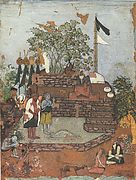
Dervesh Receiving a visitor
Dervish Receiving a Visitor


 ---

Malik Anbar
 Portrait of Malik 'Ambar---


 Ikhlas Khan


Ikhlas Khan with a Petition---


 The Dancing Girl


Dancing Girl


Sunday, April 12, 2015

The Winter Tree/سردیوں کا درخت

I presented this poem for critical review in biweekly session of Halqa Arbab e Zouq.on April 12th, 2015

I have always been fascinated by trees. The winter trees, at the end of the year, devoid of all of belongings, intrigue me the most. They accompany me to work every day.

I have tried to collect my thoughts about them in an Urdu poem,  The Trees of Winter.

It narrates the association with trees all year round, its different colors and at the end of Fall, its sole journey in weathering the storms.

In the end I have tried to transliterate and translate in English

The Winter Trees Album


سردیوں کا درخت


روز میں کام پر نکلتا ہوں
روزہی یہ درخت ملتے ہیں

میں اکیلا سفر نہیں کرتا
یہ مرے ساتھ ساتھ چلتے ہیں


معتمد خامشی سے استادہ
گردشوں کا حساب رکھتے ہیں
یہ گواہی ہیں اک زمانے کی
اپنے اندر کتاب رکھتے ہیں


موسموں کے جو نام سارے ہیں
ان درختوں کے استعارے ہیں
چھاؤں ہے تو انہیں کے قرب سے ہے
ہاں یہی دھوپ کے کنارے ہیں


جب بھی اگلی بہار آے گی
اک نیا رنگ ان میں دھڑکے گا
جب تمازت کا زور کم ہو گا 
شعلہ ارغوان بھڑکے گا


جتنا خوش رنگ بھی لبادہ ہو
اصل مقصد نظر ہٹانا ہے
اس سے جو پیرہن میں پنہاں ہے
کم نظر سے جسے بچانا ہے


جس کو عرق بدن سے سینچا تھا
ورق کو سبزہ کمال کیا
حدت شمس کیمیا ٹھہری
اور سونے میں اس کو ڈھال دیا


جونہی جاڑے میں زرد ہوں پتے
ہر طرف سے ہوائیں چلتی ہیں
جو ابھی شوخیوں میں رقصاں تھیں
بے رضا  بیسوائیں لگتی ہیں


سال بھر جو کیا کمایا تھا
چل پڑی جب ہوا لٹا بیٹھے
پت جھڑے ہیں تو یہ ہوا ظاہر
وہ حسیں تر ہے جو بچا بیٹھے


سردیوں کا درخت دیکھا ہے
وہ جو شرمندہ لباس نہیں
حرف عریاں ہے اور مکمل ہے
جو نہ جانے غزل شناس نہیں


ہر کوئی حوصلہ نہیں رکھتا
اس نظارے کی تاب لانے کو
کچھ تو ہے جو چھپا کہ رکھا تھا 
خلوتوں میں عذاب لانے کو


اور لٹنے کا کوئی خوف نہیں
تنگ دستی میں ہے یہ آسانی
اب اکیلی ہی جھیلنی ہیں اسے
آندھیاں سردیاں زمستانی


عزم پنہاں کو بے نقاب کیے
اک اکیلا کھڑا ہوا ہے درخت
وقت جتنے بھی وار مارے گا
ان کی اوقات سے بڑا ہے درخت


ناصر گوندل


Roz main kaam per nilakta hoon

Roz ye hi darakht miltay hain

Main akela safar nahi karta

Ye mere saath saath chaltay hain


Mutamid khamshi say istaada

Gardishon ka hisab rakhtay hain

Ye gawahi hain ik zamanay ki

Apnay ander kitaab rakhtay hain


Mosmoon kay jo naam saray hain

In darakhtoon kay istaaray hain

Chaon hay to inhi kay qurb say hay

Han yehi dhoop kay kinary hain


Jab bhi agli bahar aay gi

Ik naya rang in main dharkay ga

Jab tamazat ka zor kum ho ga

Shola e arghawan bharkay ga


Jitney khoosh rang bhi libada ho

Asl maqsad nazar hatana hay

Us say jo perhan main pinhaan hay

Kum nazar say jisay bachana hay


Jis ko arq-e badan say saincha tha

Warq kp sabza e kamal kiya

Hiddat e shams kimiya thehri

Aur sonay main us ko dhal diya


Junhi jaaray main zard hon pattay

Har taraf say hawaain chalti hain

Jo abhi shokhiyoon main raqsaan theen

Bay chadar baysawain lagti hain


Saal bhar jo kiya kamaya tha

Chal pari jub hawa luta baithay

Pat jharay hain to ye huwa zahir

Wo haseen tar hay jo bacha baithay


Sardion ka darakht daikha hay

Wo jo sharminda e libaas naheen

Harf e uryaan hay aur mukamil hay

Jo najanay ghazal shinaas naheen


Har koi hosla nahee rakhta

Us nazaray ki tab lanay ko

Kuch to hay jo bachaa kay rakha tha

Khilwatoon main azaab laanay ko


Aur lutnay ka koi khof nahe

Tung dasti main hay ye aasani

Ab akeeli hi jhailnee hain isay

Aandhiyan sardiyaan zamastaani


Azm e pinhaan ko bay niqaab kiyay

Ab akeela khara huwa hay darakht

Waqt jitney bhi waar maray ga

Un ki auqaat say bara hay darakht
---------------------------------------------------------------------


Every day I go work

Every day I meet these trees

I don’t commute alone

They stride along


Standing with a confident silence

Keeping a track of all the vicissitudes

They are a witness to Time

They have a book in them


All the different shades of weathers

Are similitudes of these trees

You get shade in their embrace

And the edges of the sunlight 


Whenever the next spring comes

A new color will throb in them

And when the heat lessens a bit

A golden flame will erupt out


How dazzling the attire may be

Its aimed to steer away the gaze

From what is hidden inside

To be protected from the shallow eyed


Nurtured from the trunk’s essence

Turned leaves into green par excellence

Sun worked as alchemist

And turned it into gold


No soon the Autumn turns leaves yellow

Winds start blowing from everywhere

As yet dancing with youthful joy

Suddenly look like mourning widows


All year round earnings

Were lost when winds blew

One realizes when the leaves fall

What is left is far better


Have you seen the Winter Trees

Who are not shamed to dress

Naked words yet complete

Not appreciated by the unlettered


Not everyone has the courage

To absorb the sight of

The terrible beauty now exposed

A killer to the bewildered lover


Not anything more to lose

There is a benefit in depravity

Alone will the tree face

Hurricanes, Winters of the Artic


Laying bare its hidden resolve

Alone stands the tree steadfast

Much severe be the insults of time

The tree will still stand tall


Friday, March 20, 2015

"One Of These Days" by Gabriel García Márquez/Urdu Translation


"One Of These Days" by Gabriel García Márquez


Halqa Arbab-e-Zauq NY had a session on Marquez last weekend. I attemtped to translate one of his short stories in Urdu.

It is the story of a dentist, who loves what he does, is apparently not that busy but would rather not attend to the Mayor. Internal conflict between the healer and the rebel is cleverly portrayed.
His signature mark is attention to details and inner feelings.

English translation can be viewed at:
http://www.classicshorts.com/stories/ootdays.html
 
ایسا ہی ایک دن

سوموار کی صبح گرم اور خشک تھی - آؤریلیو ایسکووار ماہر دنداں بلا ڈگری صبح سویرے اٹھنے والا شخص تھا اور چھ بجے مطب پہنچ چکا تھا - اس نے چند مصنوئی داںت جو ابھی تک پلستر کے سانچے میں آویزاں تھے شیشے کے کیس سے نکالے اور مشت بھرے اوزار میز پرلمبائی کی نسبت ایسے سجاۓ کے جیسے نمائش لگی ہو - اس نے بغیر کالر کے ایک لکیر دار کرتا پہنا ہوا تھا جو طلائی بٹنوں سےگلے تک بند تھا - اس کی پتلون سسپنڈرز کی بدولت صحیح مقام پہ معلق تھی - اس کا بدن دبلا اور تنا ہوا تھا اور اس کے دیکھنے کا انداز ماحول سے مطاقبت نہ رکھتا تھا جیسے کے ایک بہرہ دیکھ رہا ہو -
میز پہ سامان آراستہ کرنے کے بعد اس نے اپنی کام کرنے والی کرسی کی طرف ڈرل کھینچی اور مصنوئی دانتوں کو چمکانے کے لیے بیٹھ گیا -ایسا لگتا تھا کہ وہ سوچنے کی ضرورت سے بےنیاز ہو کر کام کر رہا تھا مگر وہ باقاعدگی سے لگا رہا اور اکثر دفعہ ضرورت کے بغیر ڈرل کو پاؤں سے پمپ کرتا رہا -
آٹھ بجے کے بعد وہ کچھ دیر کے لیے آسمان کو دیکھنے کے لیےکھڑکی کے پاس رکا - پڑوس کی چھت کی پر دو اداس گدھ سستا رہے تھے - وہ اس خیال سے واپس کام پر لگ گیا کہ دوپہر تک بارش پھر لگ جاۓ گی - اس کے گیارہ سالہ بیٹے کی چیرتی آواز نے اس کا دھیان منتشر کر دیا -
'پاپا'
'کیا؟'
'میئر پوچھ رہا ہے کہ آپ اس کا دانت نکال دو گے ؟'
'اسے کہہ دو کہ میں یہاں نہیں ہوں '-
وہ سونے کا دانت چمکا رہا تھا - اس نے اسے بازو کی حد تک اٹھایا اور آنکھیں نیم وا کر کہ اس کا معائینہ کرنے لگا -اس کا بیٹا برابر کی انتظارگاہ سے پھر چیخا -
'وہ کہہ رہا ہے کہ آپ ادھر ہی ہو کیونکہ وہ آپ کو سن سکتا ہے '
دندان ساز دانت کا معائینہ کرتا رہا - کام ختم کر چکنے کے بعد اس نےدانت کو میز پر رکھا اور بولا -
'کیا خوب ہے "
اس نے ڈرل دوبارہ چالو کی -اور ایک گتے کے ڈبے سے جہاں وہ ادھورے منصوبے جمع رکھتا تھا ایک برج کے کئی پرزے نکالے اور سونا پالش کرنے لگا -
'پاپا'
'کیا؟'
اس کے چہرے کا تاثر تبدیل نہیں ہوا تھا -
'وہ کہہ رہا ہے کہ اگر آپ نے اس کا دانت نہ نکالا تو وہ آپ کو گولی مار دے گا '
ہڑبڑاے بغیر انتہائی سکون کے ساتھ اس نے ڈرل کے پیڈل کو روکا، اسے اپنی کرسی سے ہٹایا اور میز کے نچلے دراز کو پورا کھولا - روالور وہاں موجود تھا -
'ٹھیک ہے ' اس نے کہا - 'اسے کہو کہ اندر آ جاۓ اور مجھے اڑا دے '-
اس نے کرسی کو دروازے کی مخالف سمت میں گھمایا - اس کا ہاتھ دراز کی نکر پہ تھا - مئیر دروازے سے نمودار ہوا -اس کے چہرے کا بایاں حصہ شیو شدہ تھا مگر دایاں حصہ سوجا ہواتھا اوراس پہ پانچ دن کی داڑھی تھی -
دندان ساز کو اس کی آنکھوں میں کئی راتوں کی بےچینی دکھائی دی. اس نے دراز کو اپنی انگلیوں کی پوروں سے بند کر دیا اور نرمی سے کہا :
'بیٹھ جاؤ '
'صبح بخیر ' مئیر بولا -
'بخیر '
آلات جراحی پانی میں ابل رہے تھے مئیر نے اپنا سر کرسی پہ ٹیکا -اسے کچھ سکون محسوس ہوا - اگرچہ اس کی سانسیں ٹھٹھری ہوئی تھیں -اس نے ماحول کا جائزہ لیا - یہ ایک غریبانہ دفتر تھا -ایک پرانی لکڑی کی کرسی، پاوں سے چلنے والی ڈرل،شیشے کے کیس میں مٹیالی بوتلیں - کرسی کے سامنے کھڑکی اور اس کے اوپر کندھے تلک کپڑے کا پردہ -جب اس نے دندان ساز کو آتے دیکھا تو اس نے اپنی ایڑیاں کھینچیں اور منہ کھول دیا -
آریلیو ایسکووار نے اس کا منہ روشنی کی طرف کیا -سوجے ہوۓ جبڑے میں بیمار دانت کا معائینہ کرنے کے بعد اس نے مئیر کا منہ اپنی انگلیوں کے ایک محتاط دباؤ کے ساتھ بند کیا-
'یہ کام سن کیے بغیر ہو گا ' اس نے کہا -
'وہ کیوں؟'
'اس لئیے کہ یہ پیپ شدہ ہے '
مئیر نے اس کی آنکھوں میں آنکھیں ڈال کر کہا 'ٹھیک ہے' اور مسکرانے کی کوشش کی -
دندان ساز نے مسکراہٹ کا جواب مسکراہٹ سے نہ دیا- وہ ابلے ہوے اور جراثیموں سے پاک آلات کی طشتری کام کرنے والی میز پہ لایا -کسی عجلت کے بغیر انہیں ایک ٹھنڈے چمٹے کی بدولت نکالا -جوتے کی نوک سے اس نے تھوکدان کا منہ کهولا-اور اپنے ہاتھ دھونے واش بیسن کی طرف چلا گیا - یہ سب کچھ اس نے مئیر کی طرف دیکھے بغیر کیا- لیکن اس دوران مئیر نے اس سے اپنی آنکیں نہ ہٹائیں -
یہ نچلی عقل داڑھ تھی - ماہر دنداں نے اپنے پاؤں پھیلاۓ اور بیمار دانت کو گرم چمٹے سے جکڑا -مئیر نے کرسی کے بازو بھینچے ، اپنی پوری طاقت سے ایڑیاں کسیں ، اسے اپنا پتہ پانی ہوتا لگا ہوا مگر اس نے منہ سے ایک آواز نہ نکالی - دندان ساز نے اپنی کلائی کو جنبش دی- جذبات میں آے بنا سرد مہری سے اس نے کہا -
'اب قائم ہو جاؤ- جو تم نے ہمارے بیس مارے تھے،ان کی قیمت دینے کا وقت آ گیا ہے '
مئیر کو اپنے جبڑے میں ھڈیاں چکنا چور ہوتی محسوس ہویں اور اس کی آنکھیں اشکوں سے بھر گیں -مگر جب تک دانت باہر نہ آیا اس نے سانس روکی رکھا -پھر اس نے اسے اپنے آنسوں کے بیچ سے دیکھا - یہ دانت اسے اپنے درد سے اتنا غیر لگا کہ اسے پچھلی پانچ راتوں کے عذاب کی وجہ سمجھ نہ آئی -
پسینے سے شابور اور ہامپتے ہوے وہ اگالدان پہ جھکا اور قمیض کھولتے ہوے اپنی پتلون کی جیب سے رومال نکالنے لگا - دندانساز نے اسے ایک صاف کپڑا تھمایا اور کہا
'آنسو پونچھ لو'
مئیر نے ایسا ہی کیا- وہ کانپ رہا تھا. جب ڈنٹسٹ اپنے ہاتھ دھو رہا تھا، اس نے اکھڑتی ہوئی چھت پہ مکڑی کا مٹیالا جالا اور اس میں اس کے انڈے اور کچھ مرے ہوے کیڑے دکھائی دیے - ڈنٹسٹ مڑا اور ہاتھوں کو سکاتے ہوے بولا -'اب سو جانا اور نمکین پانی سے غرارے کرنا '-
مئیر اٹھ کھڑا ہوا ' فوجی نخرے سے سلوٹ مارتے ہوے الوداع کہا اور کوٹی کے بندھ بندے بغیر ٹانگیں سیدھی کرتا ہوا دروازے کی طرف چل پڑا -
'بل بھیج دینا ' اس نے کہا -
'تمہیں یا بلدیہ کو'
مئیر نے اس کی طرف دیکھے بغیر دروازہ بند کیا اورپردے کے پار سے بولا -
'سالہ ایک ہی بات ہے '


Sunday, March 1, 2015

Standard Oil Co. (by Pablo Neruda, Canto General, 1940) Urdu Translation

Standard Oil Co. (by Pablo Neruda, Canto General, 1940) Urdu Translation


Halqa Arbab e Zauq NY had a program on the Chilean poet Pablo Neruda. It was a long desire of Baji Nusrat Anwar. 
I attempted to translate one of his poems in Urdu.

For most of the readers, Pablo Neruda needs no introduction. A Nobel laureate, a committed communist, traveler of the world, a colleague of Allende, the voice of the under-privileged and a great poet.

In short what Faiz is to Urdu, Neruda is to the Spanish language and to the world.

Standard Oil is one of the poems in Canto General, his epic work, written in 1940. 

Standard Oil Company , founded by John Rockefeller, was the grandfather of almost all the oil companies of today, including ExxonMobil, Amoco, Chervon and part of BP. In short a perfect example of exploitation par excellence.

I translated it from the English translation. So there must be many nuances of the original language lost due to the intervening language.

There is a good you-tube rendition of the English translation at https://www.youtube.com/watch?v=rFc-afPmrso

Here is the English, translation followed by my Urdu translation. In the end is the original Spanish.

https://revolutionaryfrontlines.wordpress.com/2010/06/26/standard-oil-co-by-pablo-neruda-canto-general/

When the drill bored down toward the stony fissures
and plunged its implacable intestine
into the subterranean estates,
and dead years, eyes of the ages,
imprisoned plants’ roots
and scaly systems
became strata of water,
fire shot up through the tubes
transformed into cold liquid,
in the customs house of the heights,
issuing from its world of sinister depth,
it encountered a pale engineer
and a title deed.
However entangled the petroleum’s arteries may be,
however the layers may change their silent site
and move their sovereignty amid the earth’s bowels,
when the fountain gushes its paraffin foliage,
Standard Oil arrived beforehand
with its checks and it guns,
with its governments and its prisoners.
Their obese emperors from New York
are suave smiling assassins
who buy silk, nylon, cigars
petty tyrants and dictators.
They buy countries, people, seas, police, county councils,
distant regions where the poor hoard their corn
like misers their gold:
Standard Oil awakens them,
clothes them in uniforms, designates
which brother is the enemy.
the Paraguayan fights its war,
and the Bolivian wastes away
in the jungle with its machine gun.
A President assassinated for a drop of petroleum,
a million-acre mortgage,
a swift execution on a morning mortal with light, petrified,
a new prison camp for subversives,
in Patagonia, a betrayal, scattered shots
beneath a petroliferous moon,
a subtle change of ministers
in the capital, a whisper
like an oil tide,
and zap, you’ll see
how Standard Oil’s letters shine above the clouds,
above the seas, in your home,
illuminating their dominions.

Translated by Jack Schmitt


And here is Urdu:


سنگلاخ چٹانوں کے دل سے 
چکریلہ نشتر پار ہوا 
اور پہنچا اس گہرائی تک 
جو خاص تناؤ کے اندر 
اک عرصے سے  خوابیدہ ہے 

جو ہم سے پہلے گزر گۓ 
سو لاکھ ہزاروں سال قبل 
حشرات چرند پرند درند
وہ آبی تھے یا خاکی تھے 
پس گۓ وقت کے دھارے میں 
یہ کیسا کشیدی کھیل ہوا 
اسلاف کا ترکہ تیل ہوا 
اس ڈرل کی نوکیلی نشتر سے 
یہ کسا غبارہ پھٹتا ہے 
اور کالا خون اچھلتا ہے 
برفیلی موم میں ڈھلتا ہے

یہ کھیل محرر خانوں میں 

ایوانوں  میں اور تھانوں میں 
پردے میں خاموشی کے 

اک اور مچلکہ فرد ہوا 
مزدور کا چہرہ زرد ہوا 


---------------------
جو صدیوں سے خوابیدہ تھا 

زیر زمیں شریانوں میں
اس شورش سے بیدار ہوا   
 اس کا جو اظہار ہوا 
یہ معدن کس کا حصہ ہے 
جو اس دھرتی پہ بستا ہے 
یا جو مزدوری کرتا ہے

انصاف کی اس عدالت میں 
یہ فیصلہ ہونے سے پہلے 
خود ایس -او ہے موجود وہاں 
اک ہاتھ میں اس کے ہے چک بک 
اک ہاتھ میں ہے بندوق میاں 
سرکار بھی اس کی سنگت میں 
جب چاہے پناوے ہتھکڑیاں 


-----------------------------
نیو یارک کے اونچے برجوں  پہ 
یہ تخت سجاۓ بیٹھے ہیں 
یہ شکم غفیر مجاور ہیں 
جو زیر لب مسکاتے ہیں 
اور موت کا کھیل رچاتے ہیں 

ہر چیز خرید لے جاتے ہیں 
وہ سنبل ہو یا سندس  ہو
  شیشہ ہو یا بیڑہ ہو 
وہ رہزن ہو یا لیڈر ہو
کوئی چھوٹا موٹا جابر ہو 
یا کاٹے کا ڈکٹیٹر ہو 
یہ سب کا سودا کرتے ہیں 

-------------------------

ہر شخص خریدا جاتا ہے 
رجواڑے میں یا باڑے میں 
قانون کا منتر پڑھتا ہو 
آئین کا جنترکرتا ہو 
وہ دانہ دانہ گنتا ہو 
یا سونا چاندی کرتا ہو 
ہر ایک کہ یہ بیوپاری ہیں 

یہ ایسا سبق پڑھائیں گے 
کہ وردی اسے چڑھائیں گے 
پھر بھائی سے لڑوائیں گے 
سب ان کی لڑائ لڑتے ہیں 
پراگوین مرتے ہیں

ان کہ مشینی اسلحے سے
جنگلوں میں بولیویا کے 
مرتے مرتے سڑتے ہیں 

---------------------------
پٹرول کے اک قطرے کہ عوض 
اک رہبر مارا جاتا ہے 
جو حد نظر تک جاتی ہے 
وہ دھرتی گروی ہوتی ہے 
جو ان کے آگے اٹھتی ہے 
وہ گردن ماری جاتی ہے 
جو گردن ہاتھ میں نہ آۓ 
زنجیر میں جکڑی جاتی ہے 

جو ان کا سلایا جاگ پڑے 
تو راتوں کی خاموشی میں 
وعدوں کوبھلایا جاتا ہے 
سولی پہ چڑھایا جاتا ہے 
آموس گھنی تاریکی میں 
منحوس رسی خاموشی سے 
طاغوتی عقبت خانوں میں 
مقتدرہ کے ایوانوں میں 
کابینہ بدلی جاتی ہے 
جو ان کا سلایا جاگ پڑا 
وہ پھر سے سلایا جاتا ہے 

اور پھر توایسے لگتا ہے 
سرکار سٹینڈرڈ آئل کا 
ہر بادل پہ ہر ساحل پہ
ہر وادی میں ہر گھاٹی میں 
سب برجوں پہ چوراھوں میں 
ہر گام پہ نام چمکتا ہے 
سٹینڈرڈ آئل کی برکت سے 
یہ دھرتی جگ مگ کرتی ہے

And here is the original Spanish.

Cuando el barreno se abrió paso 
hacia las simas pedregales 
y hundió su intestino implacable 
en las haciendas subterráneas, 
y los años muertos, los ojos 
de las edades, las raíces 
de las plantas encarceladas 
y los sistemas escamosos 
se hicieron estratas del agua, 
subió por los tubos el fuego 
convertido en líquido frío, 
en la aduana de las alturas 
a la salida de su mundo 
de profundidad tenebrosa, 
encontró un pálido ingeniero 
y un título de propietario. 

Aunque se enreden los caminos 
del petróleo, aunque las napas 
cambien su sitio silencioso 
y muevan su soberanía 
entre los vientres de la tierra, 
cuando sacude el surtidor 
su ramaje de parafina, 
antes llegó la Standard Oil 
con sus letrados y sus botas, 
con sus cheques y sus fusiles, 
con sus gobiernos y sus presos. 

Sus obesos emperadores 
viven en New York, son suaves 
y sonrientes asesinos, 
que compran seda, nylon, puros, 
tiranuelos y dictadores. 

Compran países, pueblos, mares, 
policías, diputaciones, 
lejanas comarcas en donde 
los pobres guardan su maíz 
como los avaros el oro: 
la Standard Oil los despierta, 
los uniforma, les designa 
cuál es el hermano enemigo, 
y el paraguayo hace su guerra 
y el boliviano se deshace 
con su ametralladora en la selva. 

Un presidente asesinado 
por una gota de petróleo, 
una hipoteca de millones 
de hectáreas, un fusilamiento 
rápido en una mañana 
mortal de luz, petrificada, 
un nuevo campo de presos 
subversivos, en Patagonia, 
una traición, un tiroteo 
bajo la luna petrolada, 
un cambio sutil de ministros 
en la capital, un rumor 
como una marea de aceite, 
y luego el zarpazo, y verás 
cómo brillan, sobre las nubes, 
sobre los mares, en tu casa, 
las letras de la Standard Oil 
iluminando sus dominios.