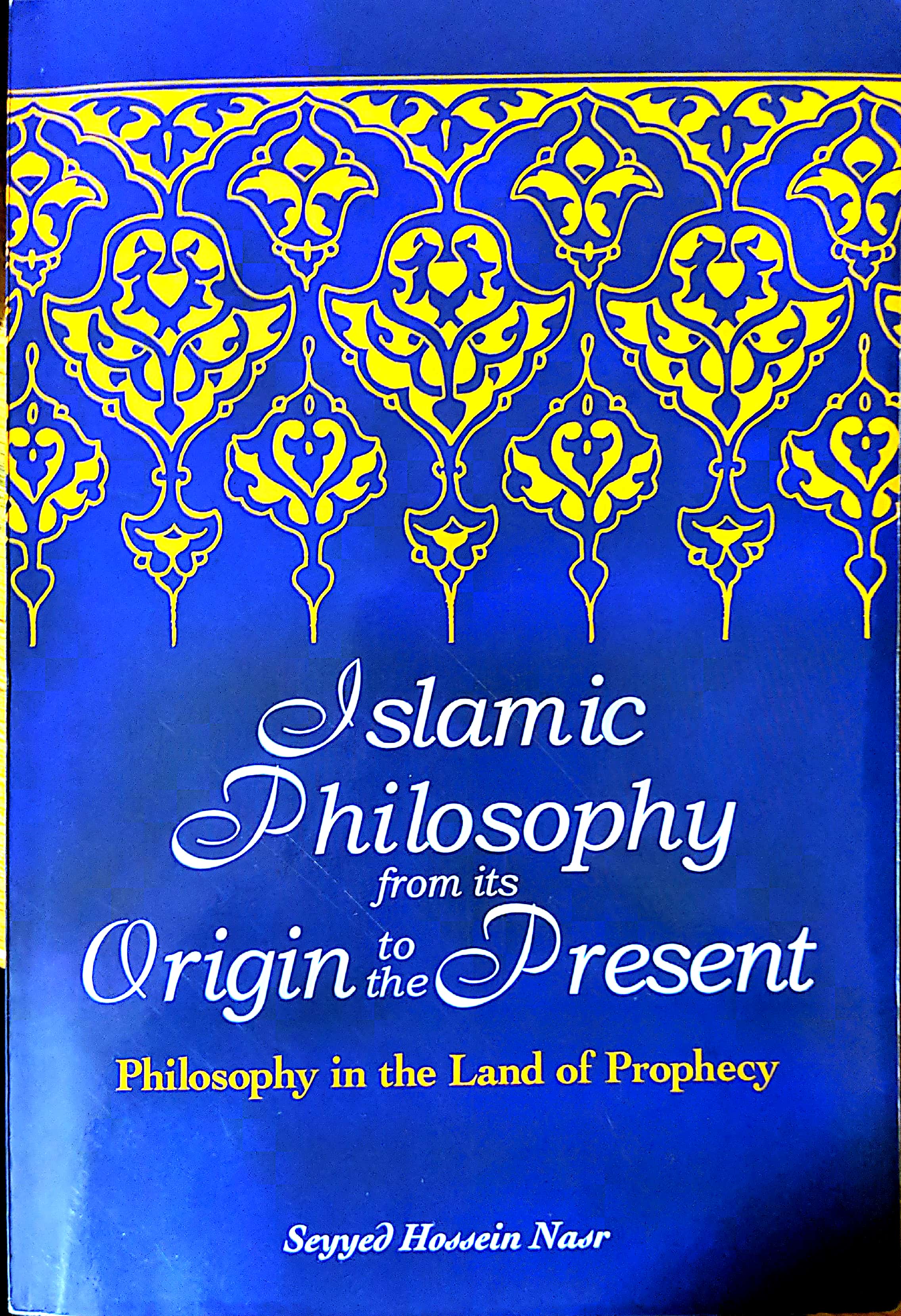
Sunday, July 26, 2020

Double Truth/ دوہرا سچ


دوہرا  سچ

نہ ہو ناقابلِ تردید اس کو مان لوں  کیسے
یقیں کیسے کروں اس کا جو ثابت ہو نہیں سکتا

یہ میرا مسئلہ ہے
یہاں میں رک گیا ہوں
بھرے رستے میں رک جانا
مجھے مشکل تو لگتا ہے
مگر میں ذہن میں اٹھتے سوالوں کو 
جو اک جعلی سکوں  کی  خامشی پامال کرتے ہیں
کسی وجدان کی دستک سمجھتا ہوں
انہیں نظر انداز کر دینا
نہیں میرے تصرف میں
مجھے تحقیق کی، تصدیق کی حاجت رہے گی

تمہارا مسئلہ اس سے سوا ہے
تمہیں کامل یقیں ہے
جسے کامل یقیں ہو 
اسے تحقیق کی، تصدیق کی حاجت نہیں رہتی

تم اپنے ذہن میں اٹھتے سوالوں کو
جو اک جعلی سکوں کی خامشی پامال کرتے  ہیں
کسی معتوب کی سازش سمجھتے ہو
تمہیں مشکل تو ہوتی ہے
مگر ایمان کی طاقت یہاں پر کام آتی ہے
کسی بھی علتِ تاویل سے
مبرا، ماورا ہو کر
عقیدت کام کرتی ہے

عقیدت کی عمارت میں 
ذہن کی کھڑکیاں موجود ہوتی ہیں
مگر جب آندھیاں آئیں
تو ان پہ آہنی چادر چڑھا کر
مقفل ہوکے، قلعہ بند ہوکر
رہے گی مضطرب جب تک
نہیں اترے گا اس سیلِ بلا کی موج کا دھارا

تمہیں ہو قلعہِ ایقاں مبارک
مجھے تشکیک کی صحرا نوردی

ناصر گوندل
حلقہِ اربابِ ذوق، نیو یارک
آن لائین اجلاس
اتوار26/جولائی2020؁ء

Friday, July 3, 2020

ISLAMIC PHILOSOPHY BY NASR PART V/Islamic Philosophy in Maghreb.

Continued from Part IV


Islamic Philosophy in Maghreb.

Ibn Masarrah of 4th hijri, founder of school of Almeria, he was a mystic and a scholar. He was influenced by Empedocles Anbaduqis, who was thought of as a prophet like figure by many Islamic philosophers. Mararrah formulated a cosmology based on his. Its effects can be seen later in Ibn Arabi.

His pseudo-Empedocles cosmology is based on hierarchal emanations of five substances. The first is Materia prima which is different from Aristotelian concept. Here it means Intelligible Matter and is the first emanation of Divine, while Divine Principle itself is above the schema much like Ismailis Originator Al Mubdi. It is followed by Intellect, Soul, Matter and materia secunda. He also interpreted Empedocles concept of Love and Fear as Love and Qahr, (dominion or victory)


Ibn Hazm 5th Hijri, of Cordoba. He was a Zahiri, a sharp critic of Asharite and wrote the first book on comparative religion. (Al Biruni is another one in this category). In addition to being a jurist, moralist, historian, theologian and philosopher, he was a poet. He wrote a book on Platonic love, Tawq al Hamama (Ring of the Dove). It makes him one of the erotic poets fedeli d’amore like Sufis despite certain difference in perspective.


Abu Bakr ibn Bajja (Latin Avempace) 6th hijri. Had influence on many including Ibn Rushd.  Hailing from Northern Spain eventually moved to Fez, became a vizier, imprisoned and died. He was a physician, scientist and a philosopher. His works remain incomplete but by the level he was quoted by later sources, it seems that he had a significant impact on development of anti-Ptolemaic astronomy and cosmology and critique of Aristotelian theory of projectile motion.

In philosophy he was drawn on teachings of Al Farabi. His tadbir al mutawahhid, Regimen of Solitary, is one of the most significant works of Islamic philosophy in Maghreb. He speaks of a perfect state created not by external circumstances but by inner transformation of whose who become inwardly united with the Active Intellect, aqlal fa’al.  He opposed Ghazali’s  mysticism and proposed a detached and intellectual form of mystical contemplation.  It still remains within the family of Sufi gnostic. Unfortunately, this work remained incomplete.


Abu Bakr ibn Tufayl (Latin Abubacer) of Cadiz.  Also, of 6th Hijri. He was also a scientist, physician and a philosopher and attracted to Ibn Sina. His major opus is Hayy ibn Yaqzan, (Living Son of the Awake) which is considered as the source of inspiration for the Robinson Crusoe story. This title is also borrowed from Sina. It is story of philosophical romance. Here Hayy, the protagonist is the hero of the story and not the Active Intellect.  He mysteriously comes to being from the matter and made spiritually active by the Active Intellect. He is raised by a gazelle as a result of sympathy, goodness in all living beings. Growing up he attains knowledge of physical, spiritual and material world and finally the Divine Principle. At that time, he is joined by Absal from neighboring Island, where he has been instructed in religion and theology. Absal realizes, after learning Hays, language, that whatever he has learnt, Hayy has known it in its purest form. Together they try to educate the people of Absal’s island but few understand. This relationship between philosophy as the inner dimension of truth expounded by the revealed religion is the message of Abubacer, but many have claimed it is a treatise on naturalism denying revelation.


Abul Walid Ibn Rushd (Latin Averroes) of Cordoba. 6th Hijri. Most celebrated of Muslim philosophers of Spain.

Although hailed in the West as a free thinker and author of double truth theory (religion and philosophy, as separate sources of knowledge may reach contradictory truths, without detriment to each other), he was a pious person and a religious functionary who tried to harmonize faith and reason. His influence was greater in the West than the East, where later destiny of philosophy was more associated with Sina than his.

He has two distinct destinies. In the West he, as Dante said, was the Great Commentator. It was through his eyes the West sees Aristotle. By mistake, as per Nasr, West know him as the author of Double Truth Theory. He became an inspiration of politicized Averrosim and a symbol of rationalism opposed to religious faith. His work has not survived in Arabic, but in Hebrew and Latin.

In the Muslim world, he has a different destiny. He is considered to have the main aim of harmonizing religion and philosophy. His real thesis was not Double Theory but to explain that there are Not two contradictory truths. But the single truth that is presented by religion, through Tawail, results in philosophical knowledge.

Religion is for everyone but philosophy is only for those who possess necessary intellectual facilities. Yet, one truth is not contradictory from the other.

His major work is the refutation of Ghazali’s Incoherence of the Philosophers, tahafut al faslifah.  Ibn Rush wrote Incoherence of the Incoherence. Tahafat ul tahafat.  Rushd revived Aristotle and opposed many of Sina’s theories. He was opposed to Sina’s theory fo emanation and emphasis on the soul of the spheres.

He banished angels from the cosmos thus helping the secularization of cosmos, preparing the ground for the rise of pure secularized knowledge of the natural order, as we know now scientifically.

With Rushd’s demise, his influence waned, and in the Islamic world, the influence of Sina persisted and prevailed in the form of Ishraqi philosophy which was pointed by Sina as the Orientation of Light.


Ibn Sabin of Murcia.7th Hiji. He later spent much of his life in Egypt and North Africa, and later moved to Mecca and died there in mysterious circumstances. He wedded philosophy with Sufism and was the first to use the term wahdat ul wajood, Oneness of Being. He had extensive knowledge of other religions including Hinduism. He had esoteric knowledge in the science of Numbers. With Kabbalistic sentences. His most influential work in the West is the Yemeni Answers to Sicilian Questions. Which he wrote down in response to Emperor Frederick II questions.


Ibn Khaldun of Tunis. 8th Hijri. Considered as the founder of the Philosophy of History in East and in the West. His kitab ul Ibar, The Book about Events which Constitute a Lesson) and its Prolegomena, Muqadimmah laid the ground work for this discipline. He introduced the term Mashiyyat Allah to explain the Islamic understanding of the rhythms of sacred history and providence of god.

He criticized Ghazali and Farabi.


Continued_____

Monday, June 29, 2020

Kitabeen Jalana


کتابیں جلانا

ہر اک لکھنے والا
کتابوں کو اپنی یونہی دیکھتا ہے
کہ جیسے وہ ماں ہے
کتابوں کے منہ میں 
اسی کی زباں ہے
انہیں نہ جلاؤ

یہ تخلیق کاروں کو ہوںمارتی ہیں
کہ جیسے کسی کی نگاہوں سے آگے
اسی کا گھروندا گرایا گیا ہو

کتابیں جلانا مناسب نہیں ہےٍ
مگر میری تاریخ
ایسے حوالوں سے ایسے بھری ہے
چھپانا بھی چاہوں
چھپا نہ سکوں گا

وہ ہو قرطبہ کا حکیمِ معلم
یا پھر آج کا باغیانہ لکھاری
لکھا اس نے اپنی نظر سے جو دیکھا
زمانے کےپیمان کو جو نہ سمجھا

اسی کی کتابیں جلائی گئی ہیں
ہمیں جو بتایا گیا ہے وہ سچ ہو
کئی اور باتیں چھپائی گئی  ہیں
کئی داستانیں بتائی گئی ہیں
کئی لوریاں ہیں جو گائی گئی ہیں

خیالاتِ فاسد کی کیا بات کرنا
مقدس کتابیں جلائی گئی ہیں
جہاں بھی کتابوں کو لکھا گیا ہے
وہاں پر کتابیں جلائی گئی ہیں

نہیں متفق ہو جو لکھا گیا ہے
جواباً فقط ایک ہی راستہ ہے
اسے نہ جلاؤ
مقابل میں اس کے نئے حرف لاؤ

کتابیں جلانے سے جلتی نہیں ہیں
وہ خاکستری سے نہیں خاک ہوتیں
جِلا ان کو ملتی ہے جب بھی جلاؤ
انہیںمشتہر کر رہا ہے الاؤ

ناصر گوندل
حلقہٗ اربابِ ذوق، نیو یارک
اتوار28/جون2020؁ء


Wednesday, June 24, 2020

Dr. Rubina Inayat/ Peace At Last


Dr. Rubina Inayat 

Peace At Last
by Dr. Nasir Gondal

This Wednesday, the 17th of June,  I was robbed of a friend.

She was not feeling well for some time. Apparently she felt better in between.  Then things worsened. Ambulance was called and she was taken to the hospital. Somewhere along the way she left for somewhere else.

Rubina Inayat was a private person. Knowing her and Sajid for almost two decades, I did not know that she was sick, and she was sick for a long time. They kept it close to their chest. That is perhaps it came as a shock for most of us.

For many of us, APPNA is extended family. It is a home away from home. Belonging to different alumni and specialties, living in different places, Here in APPNA we meet people like ourselves, sharing the same hopes, fears and concerns, hailing from similar backgrounds, we develop a larger circle of friends and colleagues. It was my privilege to know Rubina through APPNA.

It was in the immediate aftermath of 9/11, when APPNA was handling the issues facing our young physicians and their visa issues, this couple from Rhode Island, finishing their respective training, started to get active in APPNA.  They were a team and rivalled each other in their shared passion for issues and causes.

APPNA faced one issue after another and she was in the middle of all. While dealing with the APPNA task force for young physicians and the visa issues, there was the 2005 earthquake. Overnight a group of young volunteers got together, and started collecting funds and equipment and shipping it out. They coalesced to form the taskforce for earthquake relief and APPNA Social Welfare Committee relied heavily on its work. That is where Rubina's skills of networking and organization shined.

She never looked back. APPNA history is incomplete without mentioning her multiple times. From the Committee of Young Physicians, Bone Marrow Registry, Career Counseling, APPNA House in Bronx, serving in various committees and in the Board, and during the last days of her life working for COVID crisis, she gave a large portion of her life to APPNA.

As if involvement in APPNA and her Fatima Jinnah Alumni Association were not enough, she was fully engaged in Pakistani community in central Florida. Her quest for justice and equality found many avenues like Rise for Equality. She seemed to never stop working.

Being active and strong-minded she always stood by her convictions; and by those she felt needed a voice. She had an amazing quality to find resolutions in crisis. She could make sense out of a complicated situation and offer simple and workable solutions. She could argue her point without raising voice and temperature. She always had a calming effect. The last couple of tumultuous years of APPNA would have been worse for the organization had her calming and sane personality not at the scene.

I learned a lot from her. I learned how to stay calm, how to stand your ground, not to lose focus and remain polite. A meticulous organizer, with an eye for the details, she was an avid campaigner and advocate for causes close to her heart.

While working to make APPNA a better organization and world a better place for all of us, she was fighting another war, a war of personal survival all by herself. With Sajid by her side, she was struggling for her breath for many years.  Perhaps she did not want the outside world to factor that in while dealing with her. She did not want charity.  She could take the world. And she did.

Blessed are those who make a difference in others' lives and leave the world in their debt. I am fortunate to have known Rubina and to call her a friend.

You have been through a rough journey. Rest in Peace.

ISLAMIC PHILOSOPHY BY NASR PART IV/THE PHILOSOPHERS


Continued from PART III


COMMENTS ON ISLAMIC PHILOSOPHY BY NASR
PART IV


THE PHILOSOPHERS OF ISLAM (1)

 Early Peripatetic/Independent/Ismaili


Treading a fine line between theology, kalaam, with its emphasis on protecting the citadel of faith on one side, and seeking the inner meaning of revelation through ma’arifat in Sufism on the other side, Islamic philosophy followed its own path, constantly interacting with these two dominant forces.

Over the centuries we see all the various combinations. Some philosophers were opposed to kalaam and impervious to Sufism. Later, especially in the last seven centuries, there was much of the overlap due to the teachings of Ibn Arabi, who is the most influential intellectual figure in that time.


EARLY PERIPATETIC PHILOSOPHERS, MASHSHA’I

Kindi, Farabi and Sina

It is synthesis of Islamic revelation, Aristotelianism and Neoplatonism.

Kindi. Baghdadi. 3rh Hijri. First devout Muslim well versed in Greek philosophy. His main emphasis was on discovery of Truth, wherever one can find it, even from older generations and foreign people. “For him who seeks truth, there is nothing of higher value than truth itself”. He was deeply interested in relationship between faith and reason.

Farabi.4th Hijri. From Khurasan. A musician, logician, metaphysist and political thinker, he formulated mashshai in the form it was to take in later Islamic history. His music still reverberates in Sufi music in India and Anatolia.

He sought to harmonize the idea of philosopher-king of Plato with the idea of prophet in monotheistic traditions. He is considered the prime authority on practical philosophy and ethics in Islam. From spiritual aspect, his work is the first important synthesis between speculative philosophy and gnosis, Ifran, in Islam.


Bu Ali Sina born in late 4th hijri, in Bukhara. He is the greatest and most influential Islamic philosopher. His book on medicine is the most celebrated single work in the history of medicine. He is basically philosopher of being. Towards the end, he criticized some of his earlier work as common philosophy and put more emphasis on hikmat al mashraqia, Oriental philosophy, for the intellectual elite. It paves the way for the later Ishraqi school, (mentioned later).


Sina’s ontology:

To distinguish Pure Being from Existence of the world he introduced the three possibilities, of Necessity, Contingency and Impossibility. (wujub, imkan, imtima) mentioned earlier . This key distinction is one of the most fundamental in the history of philosophy. It influenced deeply later Islamic philosophy, and traveled to West and became one of the key concepts. This distinction is related to the basic concepts of Existence and Quiddity (wujud and mahiyya) mentioned earlier.

Sina’s cosmology:

Humans are in the domain of the Tenth Intellect. The Necessary Being is in the center. Its contemplation of itself generates the First Intellect. This First Intellect is contingent upon the Necessary Being. This realization by the First Intellect generates the Second Intellect, the Soul of First Sphere and the First Sphere. This process continues in this manner until the Tenth Intellect, and the Ninth Sphere and its Soul is generated. This Ninth Sphere is the sphere of Moon in accordance of nine heavens of Ptolemaic astronomy as modified by Muslim astronomers. The sublunar region is also organized in a hierarchal manner consisting of three kingdoms crowned by man, who represents the point of return to the Origin. By means of Knowledge, he can ascend through the levels of cosmic manifestations to gain union with the Active Intellect. Aql al fa’al.

Thus, the universe is generated through contemplation and returns to its origin through knowledge.

World is NOT created in time, as the time is a condition of the world. It is not eternal as eternity is an attribute to God. However, there is basic distinction between world and God.

God is the Necessary Being and is in need of nothing but Itself and all existents are contingent in themselves, gain their existence from the Necessary Being and remain in utter existential poverty in themselves.

Some Independent Philosophers:

Their fate and the fate of their works tell us that anti-prophetic thought could not flourish the climate where prophecy remained a central reality.


Al Warq 3rd hijra lived in Baghdad. Originally a Mu’tazila, later left and was accused of heresy, Manicheanism, dualism and even atheism. Some claimed he harbored Shiite thought. None of his original works, more than eighty, exist anymore. He was accused of rejecting religion based on Oneness of God.


Ibn Rawandi. A student of Al Warq who later turned against him, was also initially a Mu’tazila. He became destitute and lived in poverty, and lost faith in God’s justice and religion. He rejected prophecy in his book Kitabe Zumurd.


Ibn Zakaria Razi (Latin Razzes). Early 4th Hijra. One of the greatest names in Medicine, both East and West. Because of his empiric views, he rejected tawil and hermeneutic interpretations. Expanding on these thoughts, he basically changed alchemy to chemistry, a science based on facts and reason and not on prophecy.

He denied the necessity of prophecy and believed God given guidance to everyone. He wrote a work on the ‘tricks’ of the prophets. He considered himself independent thinker. His views were drawn from Greek, Persian and Indian sources.

His five pre-eternal principles are very similar to Nyaya Vaiseska school of Hindu philosophy.  They are God (basically Demiurge), Soul, matter, space and time. This was against both traditional Islamic theology and philosophy.

He believed in atomism but different than atomism of Mu’tazila and Asharite. He believed atoms had dimensions but were physically indivisible, and that God and Soul are not atoms.

His views were closer to certain Epicurean theses in contrast to nearly all other Islamic philosophers.

Much of his philosophical works did not survive.

Al Biruni.

He was an independent philosopher but not independent of prophecy. He is perhaps the greatest Muslim scientist cum scholar. He admired Razi but refuted his anti-prophetic philosophy. He wrote of his work on Sina and had written extensive book on Hinduism.


Ismaili Philosophers

Much before Al Kindi the first philosophical tradition is seen in Shiite schools. It dealt with relationship of prophecy and philosophy on different lines than peripatetic philosophy. There was emphasis on the inner truth of religion, haqiqat.

There is a record of conversation between Imam Baqir 2nd Hijri and his three disciples. There is esoteric science of letters. Ilm al jafr, which expounds a cosmology based on number 5, reminiscent of Manichaean cosmology

Later Ismaili philosophers in the 4th hijri onwards developed their own works and philosophical traditions in Fatimid time. Later it continued to flourish in Persia and Yemen. Hasan al Sabbah declared Grand Resurrection in the mountain fortress of Alamut in 6th Hijri. Later Ismailism and Sufism came together. Two big names in Persian masnavi, Sanai and Fariduddin Attar (Conference of Birds) are claimed by Ismailis as their own.

In Yemen the tradition continued and in 9th Hijri culminated in the works of Idris Imamuddin. This tradition finally found its home in Indian Agha Khan tradition.


Hermetic Influence. Many Ismailis and other Shiite, and some non-Shiite philosophers were inspired by Hermetic influence. (As mentioned earlier, many identified Hermes with prophet Idrees). They include Jabir Bin Hayyan, the father of Islamic Alchemy. Hermetic themes are seen in works of Ibn Arabi also.

Neo-Pytharogan influence. The concern with symbolism of numbers is seen in early Shiite and Sufi circles. The metaphysics is a bit different than that of Sina. It is not based on Being, but on the Supreme Originator Al mubdi.  Being is the first act of al Mubdi, kun fa ya koon.  The first Being is the word of God. Kalaam Allah.

The cosmology is a bit different from Sina. Humans are in the Tenth Intellect, but were originally in the Third Intellect. So, they were thrown down seven (an important number in Ismaili tradition) levels and now the man has to ascent these Seven levels to reach its destiny.

Ismailis also have a cyclic view of history dominated by number 7. There are esoteric hermeneutics Taweel of everything. There is an external and internal (Zahiri, batini) aspect of everything. In the domain of religion, the external is the Prophet and internal is the Imam. The journey is from external to internal. In this aspect philosophy becomes synonymous with truth, haqiqat.


NEXT: ISLAMIC PHILOSOPHY IN MAGHREB


Friday, June 19, 2020

ISLAMIC PHILOSOPHY/KALAAM

Continued from before 


COMMENTS ON ISLAMIC PHILOSOPHY BY NASR

PART III


Although Kalaam, theology, is considered outside the domain of pure philosophy (falsafa), many Islamic thought leaders were from this disciple, ie mutakalimeen.  Without a brief detour to Kalaam the topic of Islamic philosophy is not complete.


KALAAM

EARLY KALAAM

Ali ibn Abi Talib is considered the first one to establish the science of kalaam. Nahjal balagha contains the first rational proofs of the unity of God.

Later due to Islam’s interaction with Christianity, Mazdeans and Manichaeans, there was a need to construct its own edifice. It needed to develop creed to prevent various kinds of errors. Abu Hanifa of 2nd hijra was the first one in the series of many to develop versions of creed. There was an initial emphasis on gaining as much knowledge about God as possible.


MUTAZILA

It is the first systemic school of Kalaam. Founder, Wasil bin Ata 2nd Hijri, was a student of Hasan Basri but parted his ways. His emphasis was to use reason in religious matters and the importance of Free Will. Its influence was at the zenith during Mamun Rashid and waned after that. However, it did not completely go away. Present day Zaidis of Yemen have adopted Mu’tazila teachings. Even after its dominance waned, it still had an effect on both Sunni and Shia kalaam of later centuries.

FIVE PRINCIPLES OF MUTAZILA: usul e khamsa, which summarize their basic teachings.

First is the Toheed, Unity of God. To create a rational concept of God, it was reduced to an abstract Idea. They rejected anthropomorphism and explained the Quranic verses dealing with God’s eyes, hands, face etc. with other interpretations. In denying any attributes to God, they denied the eternity of Quran as the Word of God. That became their most contested thesis.

Second is Justice Adl. They liked to call themselves People of the Unity and Justice. God does not will evil. Evil is created by humans who have been given free will to go either way.

Third is Promise and threat, wa’d wa al waid. People are either believers, Momin, sinners, Fasiq or non-believers, Kafir. The sinners are in between a Muslim and a non-Muslim. They would be considered a member of Muslim Community while living, ultimately, they will go to Hell.

Fourth is the in-between position. Manzil bain manzilatain.  It is the expansion of the third point, and it deals with the question of who is saved and who is not. The faith, Imaan is not the only possession for to be saved. Avoidance of sins is a must.

Final is the well-known Islamic principle of exhorting to perform the Good and forbid the Evil. Amar bil maroof wa nahi anil munkir


ASHARITE

Early Asharism.

Abul Hasan Ashari, late 2nd hijri was a Mu’tazila follower who changed overnight due to a dream of the Prophet. He refuted his earlier adherence to the claim that Quran is created. Although the Asharites are considered orthodox, they posited themselves to seek an intermediate course between Free thinkers Mu’tazila who made revelation subservient to reason and the externalists who rejected reason completely.

Differences from the usul e khamsa of Mu’tazila: They believed in anthropomorphism of God but defined it different than human physical attributes. Moreover, while Quran is non-created and eternal, its ink, paper and words are created. Sinners will go to hell but Prophet can intercede on their behalf if God willed. They reduced God’s nature to Divine Will from Supreme Reality.

The concept of atomism. All things are composed of Atoms, which cannot be further divided. There is no horizontal causality. It is God’s will and the nature of anything can be changed by God’s will. God is the only cause.


Maturidi and Tahawi: Contemporaries of Asharite.

Both were Hanafis, and presented a more rational version of theology. Maturidi considered it incumbent on all humans to seek to know God whether they followed Divine Law or not. Ashari, on the contrary believed that only by following shariat one can follow God.

Asharism remained popular with Shafi’is and eventually triumphed over its rivals across all sects, mostly thanks to later Asharites especially Ghazali


Later Asharism Muta’akhireen

It is this Later Theology, which dominated the Muslim world for many centuries to date. It includes Imam Juwayni and his student Ghazali 5th hijri, the most celebrated of all Muslim theologians and an outstanding figure in the history of Sufism. This later Asharism turned more and more philosophical and reached its peak with Fakhruddin Razi 6th Hijri, whose work is taught to this day in Azhar.


Kalaam in Modern World

Nasr mentions Egyptian Abduh who revived certain Mu’tazila theses and paid more attention to reason, Sir Syed Ahmed Khan, Syed Ameer Ali and Iqbal (esp. if considered his Reconstruction of Religious thoughts). They are all of mid to late 19th BCE.


Message of Asharism:

In one sentence, it will be to make intelligence subservient to Will of God. It takes away from intellect its function to being able to know God.

Only God knows, wallahul ilm, explains this concept. A positive effect of this omnipotentialism is Pure Goodness. If everything depends on the Will of God, then there has to be inherent goodness in the world.

The concept of atomism, mentioned above, reduces the reality of phenomenal world to disconnected units. This world is annihilated and reconnected at every moment by the Will of God. It denies the horizontal causes of connection and only relies on the vertical cause, the Straight Path, siratal mustaqeem as manifested by the Divine Cause.

Despite its anti-intellectualism, Asharism became the dominant Kalaam in the Sunni world and became combined in certain circumstances with Sufism.

Although it became more philosophical with time, it remained an impediment as seen by most philosophers. It protected the city of Divine Knowledge by building a wall around it, but did not provide the door to enter it.


Shiite Kalaam

Ismaili Kalaam is more philosophical. It is mentioned in the philosophy section

Zaydis of Yemen adopted kalaam influenced by Mu’tazila thoughts. It still persists

Isna ashari, (Twelve Imam Shiites) kalam developed much later. Its major work is by the famous scientist Nasir al Din Tusi 7th Hijri, and later by Jamaluddin Hilli’s Kashafal murad.


Shiite kalaam differs from Asharism and is more aligned with Sina’s ontology of order of things as compared to Asharite’s atomism.

 .

Next:Philosophers in Islam


Friday, June 12, 2020

Islamic Philosophy 101 ( Part II of my notes)


Continued from Part 1


COMMENTS ON ISLAMIC PHILOSOPHY BY NASR/ PART II 

ISLAMIC PHILOSOPHY 101

Nasr points out that in Islamic Philosophy, what is said is important and not who said it. Having this in mind. One can try to travel through Islamic Philosophy.

First thing first.

In contrast to the various phases of Western philosophy, from ancient Greeks to the present day, prophecy has the central role in Islamic philosophy.

Apart from a few names, like Ibn Warraq and Zakaria Razi (Latin Razzes) overwhelming Muslim thinkers have not questioned the Divine, but have deliberated on how to reach or recognize the ultimate truth in the Diving Being.

What is Hikmat? Many later theologians, like Fakhruddin Razi, a rationalist himself, equated with Kalam, the philosophers disagreed with that. Kindi said, philosophy is the knowledge of reality of things within the man’s possibility.


DIMENSIONS OF REVELATION

Islamic revelation possesses several dimensions.

Externally it can be looked as shariat, tariqat and haqiqat, (Law, Path and the Truth).

Looking inwards it can be seen as Islam, Iman and Ahsan, ie as either particulars of faith (Submission, Faith and Virtue).


EXISTENCE OR ESSENCE:

The first question to address is the nature of divine. Philosophers spent quite a time this concept. Whether it is the wujood of God, the Existence or presence more important or the Essence, quiddity, Mashai of God.

And later, whether Existence, wujood is depended upon the concept, Mashai or vice versa.

The question of existence and essence, wujood and mahiyah is the most basic in Islamic philosophy. Peripatetic view is that existence is actualized out of essence. This question has been addressed by all the philosophers, many Sufis and Mutakalemeen.

The first questions a scholar has to address: Is it? what is it? and later a third one, why is it? First is related to wujood and second to mahiyah.

Many concepts are related to the root wjd: wujood, wajd, wijdan, mojood, wajibul wajood (God) and the concept of wahdatal wujood.

The difference between Aristotelian and Avicennan thought:

According to Aristotle world cannot not exist. In Islamic thought, there is an ontological poverty faqr in the world that it cannot exist without the Divine Being. So, the wujood is given by God.

Wujood and mahiyah are intertwined. They are not separate from one another, but are not the same thing.


SINA’S ‘THE THREE DIRECTIONS” (Necessity, Possibility and Impossibility)

Sina introduced the essential question, The Three directions. Aljaht al salasa:

 To differentiate between Necessity, Possibility and Impossibility, wujub, mumkin and mumtina.

Wajib is what cannot not exit.

Mumkin be what can exit and may not exist.

Mumtina is what cannot exist.

Every possible situation has to be analyzed through these questions.

Example of wajib would be the Zaat e Elahi, the Divine Essence, who is wajibul wajood.

Rest of the world be the Aalim e mumkinat, which can or cannot exist.

One example of mumtina would be a Partner of God. Shirk al Bari


Three Principles of Sadral Din Shirazi, Mulla Sadra’s metaphysics.


1.Transcendent Unity of Being. Wahdat al wujood.

Although contested by exoteric Ulema and bewilderingly misunderstood by Western orientalists, this is the dominant concept in Islamic philosophy. It is however interpreted in more than one way, as whether it means no one else except God has existence and hence all existence is part of Being, or God (Wujood al Mutlaq) is the source of everything that appears to possess wujood. Moreover, it is not for public consumption and is only reserved for spiritual and intellectual elite, khawass.  It is not achieved by ratiocination, Bahs, but by tasting, Zouq.

The term itself was first used by Andulusian Ibn Sabin, expanded by Ibne Arabi and fully defined by Mullah Sidra, Sadr alDin Shirazi.

Main opponent was Ibne Taymiyyah. In India Shaikh Sirhindi introduced the concept of Wahdat al Shahood in parallel to it.


2. Maratib al Wujood. Hierarchy of Being. The concept of gradation, Tashkik, was introduced by Aristotle and expanded by Ibne Sina. There is a hierarchy in the universe, stretching from the Materia prima through minerals, vegetable, animal kingdom to man, angelic realms and ultimately to God. This concept was further given a new meaning by Mullah Sidra in his transcendent theosophy. From floor, Farsh to Arsh, Divine Throne, there is a gradation and each grade is the reflection of divine light and its intensity.


3. Principality of Wujood, Asal at al wujood: Islamic philosophy gradually shifted from the principality of Essence, Mahiyah by Sina and Suhurwardi to the principality of Wujood, by Mullah Sidra.


Structure of Reality/Wujood. External reality is experienced by man and conceptualized as Reality and its Essence. And then there can be various stages of reality and there are different opinions in various schools of philosophy. Asharite refused to accept these differences and later school of Mulla Sadra made clear distinction.

How to avoid identifying world with God. There are three stages. Negatively conditioned. Bi sharte la, is without any condition attached to is that is the Divine Reality. Non conditioned, la bi shart, is the most expansive mode of wujood , where it can be determined in various forms. It is like an act of existentiation like breath of the Compassionate, nafas al Rehman. And then it is the Conditioned by something, Bi Shart e shay, is the actual level of wujood in the existents.

Here Sufis and Isma’ili thinkers differ from later philosophers that the former don’t consider God to be a part of any of these stages. That Absolute Being cannot be conditioned in any way even by the condition of being negatively conditioned.


Distinction between the concept and reality of wujood. (mafhum and haqiqat): In Western philosophy existence may merely be an abstraction. In major Islamic thought, it has to be manifest.


Experience of Wujood. That is one of the major differences between classical Islamic Philosophy and West. Here the experience of transcending from individual sense of being to the Reality of Being cannot be achieved without inner dimension. It cannot be experienced with intellect alone. That brings Islamic philosophy integrated to spirituality.

The ordinary man is usually aware of the container, whereas the sage sees the content that is at once being, wujood, presence huzur and witness shuhud.


How one knows?  A basic question. Three stages.

In Islamic intellectual perspective prophecy is an integral part of this question.

It starts with Burhan, demonstration, related to faculty of reason and intellect. Then one moves up to Irfan, gnosis, associated with inner intellect, or intuition and illumination and then ultimately to Quran, related to prophetic function.

The journey from reason to intellect, or intuition is from istadlaal (reflection of intellect upon the plane of human mind) to firasat. Other terms used for it are zouq, ishraq, mukashaf, basirat, nazar and badiha.  This journey from reason to intellect cannot be achieved without faith.

In Kalaam, esp Asharite, the basic use of intellect is to understand the Will of God. It is not interested in the Truth and Knowledge aspect of Divinity. It is true for its founder Abul Hasan Aashari. Later Ghazali and Fakhruddin Razi, the mutakhareen, modified it a bit , but it remained in this domain.

On the other hand in other schools of Kalaam , like Mutazilla and Shia Kalaam there was a greater role of reason in understanding the Will of God. Still the function of kalaam was to find rational means to protect faith, Imaan.


NEXT: Kalaam